
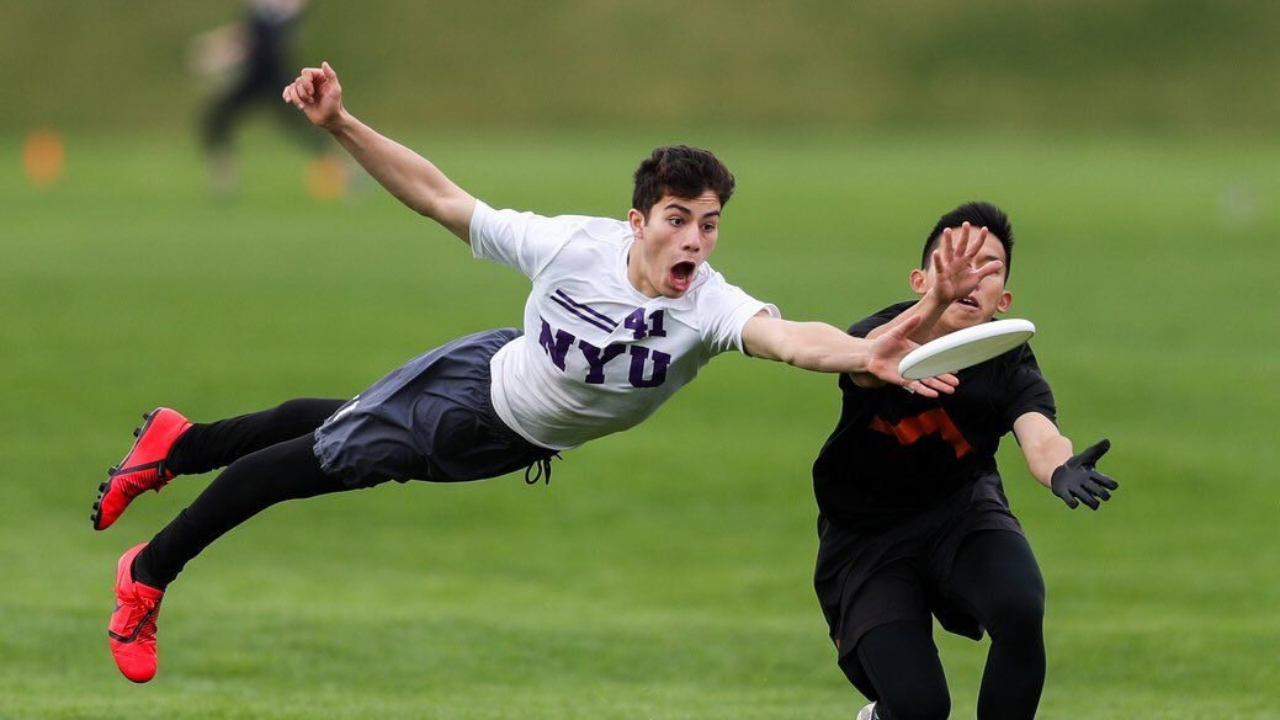
For university students stepping into the vibrant chaos of campus life, the opportunity to try new experiences is a hallmark of personal growth. Among these, exploring new sports offers a unique blend of physical challenge, social connection, and sheer fun. Ultimate frisbee—often simply called “ultimate”—stands out as an increasingly popular choice, captivating students with its accessibility, inclusivity, and dynamic energy. Whether at a collegiate university like Durham or a sprawling urban campus, ultimate frisbee provides a fresh avenue for students to stretch their boundaries, build friendships, and enrich their student life. This article delves into the allure of trying ultimate frisbee as a new sport, its mechanics and culture, and its transformative role in the university experience, reflecting on its significance as of March 27, 2025.
The Appeal of Ultimate Frisbee: Why Students Say Yes
Ultimate frisbee is a sport that defies the stereotype of traditional athletics—no heavy equipment, no exorbitant fees, just a disc and a willingness to run. Born in the late 1960s in the United States, ultimate combines elements of football, basketball, and rugby, but with a flying disc as its centerpiece. Its rise in UK universities mirrors a global surge, fueled by its low barriers to entry and high-energy gameplay. For students, particularly those new to sports or seeking a break from mainstream options like football or netball, ultimate offers a compelling draw.
The sport’s accessibility is a key magnet. All you need is a frisbee (costing less than £10) and an open space—think campus fields, college pitches, or local parks. At Durham University, for instance, the sprawling green spaces around colleges like Grey or St Aidan’s provide ideal venues for a pickup game. Unlike sports requiring specialized gear or prior training, ultimate welcomes beginners with open arms. A first-year student with no athletic background can join a session and, within minutes, grasp the basics: throw the disc, catch it, score by reaching the end zone.
Its inclusivity adds to the appeal. Ultimate is typically mixed-gender, with teams blending men and women in a spirit of equality rare in competitive sports. University clubs often field teams of varying skill levels—beginner, intermediate, varsity—ensuring everyone finds a fit. This diversity resonates with students eager to connect across backgrounds, making it a social as much as a physical endeavor. For those daunted by the intensity of rugby or the finesse of tennis, ultimate’s laid-back yet spirited vibe offers a refreshing alternative.
The Mechanics: Learning the Ropes
Trying ultimate frisbee as a new sport is less about mastery and more about movement. The rules are straightforward: two teams of seven players (though smaller pickup games are common) aim to pass the disc down a field—typically 100 meters long, with 20-meter end zones—without dropping it. If the disc hits the ground, is intercepted, or goes out of bounds, possession switches. No running with the disc is allowed; players pivot and pass, relying on teamwork and strategy to advance. A point is scored when a player catches the disc in the opposing end zone, and games often run to 15 points or a time cap.
For students, the learning curve is gentle but engaging. Throwing techniques—forehand (flick), backhand, hammer—take practice, but basic catches and short passes come quickly. At a university like Durham, a college team might start freshers with drills: sprinting to catch a long throw or defending against a cut. The pace is fast—players cover the field in bursts—but not punishing, with substitutions keeping energy high. Beginners might fumble early throws, but the sport’s forgiving nature means mistakes are met with encouragement, not criticism.
What sets ultimate apart is its self-officiated ethos, known as the “Spirit of the Game.” Even in competitive play, players call their own fouls, fostering trust and respect. For students new to sports, this eliminates the intimidation of referees and emphasizes fair play—a value that aligns with university ideals of community and integrity. A fresher diving for a disc at a Team Durham session learns not just athleticism but accountability, a dual lesson in sport and life.
Student Life: Ultimate as a Social Catalyst
Trying ultimate frisbee slots seamlessly into student life, amplifying its social fabric. Universities across the UK boast thriving ultimate clubs—Durham’s Durham University Ultimate Frisbee Club (DUUFC), Nottingham’s Fling, or Edinburgh’s Mohawks, to name a few. These groups host beginner-friendly sessions during Freshers’ Week, drawing crowds to taster games or socials. At Durham, college-level teams complement the university club, offering a two-tiered entry: join your college squad for casual fun or the varsity team for tournaments like BUCS (British Universities and Colleges Sport) events.
The social payoff is immediate. A pickup game on a crisp autumn afternoon—disc soaring, laughter echoing—turns strangers into teammates. For a first-year unpacking in halls, ultimate provides an instant circle: the teammate who teaches you a flick becomes the friend you grab coffee with later. College teams, especially, foster tight-knit bonds; a St Mary’s player might bond over a muddy slide for a catch, a memory cemented at the post-game pub trip. University-wide clubs expand this, connecting students across disciplines and years—think a Physics fresher meeting a third-year English student mid-game.
Tournaments amplify the fun. Weekend “hat” events—where players are randomly assigned teams—mix novices with veterans, sparking friendships beyond campus. A Durham student might travel to a regional clash, sharing a minibus ride with teammates and returning with stories of epic layouts or post-match pizza. These moments weave ultimate into the student tapestry, balancing academic stress with joy.
Benefits: Beyond the Field
Trying ultimate frisbee as a new sport yields rewards that ripple through student life. Physically, it’s a full-body workout—sprinting builds stamina, jumping hones agility, and throwing sharpens coordination. For students cooped up in lectures or libraries, it’s a release, burning off tension with every dash. Unlike high-impact sports, ultimate’s non-contact nature (barring incidental bumps) suits varied fitness levels, making it sustainable for newcomers.
Mentally, it’s a boost. The fast pace demands focus—tracking the disc, reading teammates—offering a break from deadlines or homesickness. The Spirit of the Game nurtures confidence; calling a foul or resolving a dispute teaches assertiveness and communication, skills that translate to seminars or job interviews. For shy students, the team dynamic gently nudges them out of shells, while extroverts thrive in the banter.
Socially, it’s a glue. Friendships forged on the field often endure—study partners, flatmates, or lifelong pals emerge from muddy games. For international students or those from underrepresented backgrounds, ultimate’s inclusivity offers a foothold in a new culture. A Malaysian fresher at Durham, say, might find belonging in a college team, their accent fading into cheers.
Challenges: Stepping Into the Unknown
Trying ultimate isn’t without hurdles. For sports novices, the physicality—sprinting, diving—can intimidate, even if optional. A student unused to exercise might tire quickly, though beginner sessions ease this with shorter games. Weather poses another test; UK fields turn soggy in autumn, and a wet disc slips from novice hands. At Durham, a windy day near the River Wear might send throws awry, testing patience.
Skill gaps can frustrate. A fresher joining a varsity practice might feel outpaced by seasoned players, though clubs mitigate this with tiered teams. Time management looms large—balancing ultimate with lectures, societies, and part-time jobs requires discipline. For some, the sport’s laid-back reputation clashes with competitive streaks; varsity games can get intense, surprising casual joiners.
Accessibility varies. Rural campuses like Durham offer ample fields, but urban universities might rely on booked pitches, limiting spontaneity. Cost is minimal, but travel to tournaments—fuel, food, fees—adds up for budget-conscious students. Clubs often fundraise or subsidize, but it’s a consideration.
Strategies: Making Ultimate Work
Success in trying ultimate frisbee hinges on approach. Start small—attend a college taster or pickup game, not a varsity trial. Wear trainers and comfy clothes; no need for gear beyond enthusiasm. At Durham, a fresher might join a Grey College session, learning basics before eyeing DUUFC. Ask questions—teammates love teaching throws. A shaky forehand improves with ten minutes of practice, not talent.
Pace yourself. One game a week builds stamina without burnout. Bring a friend—shared nerves ease the plunge. Embrace the mud; a tumble is a badge, not a flaw. For competitive souls, varsity beckons, but casual play suits most. Online forums—Reddit’s r/ultimate or club socials—offer tips and community pre-jump.
Reflections: A Sport for the Student Soul
Ultimate frisbee’s rise in student life reflects a craving for connection and play amid academic rigor. Its DIY ethos—self-run, low-cost—mirrors the resourcefulness universities foster. Yet, it’s not perfect. Inclusivity shines, but outreach to non-sporty or marginalized students could grow. Weather and logistics challenge consistency, and competitive tiers might alienate pure hobbyists. Still, its adaptability suits the student flux—join anytime, leave when swamped.
For a fresher in 2025, ultimate is a microcosm of university: daunting, then delightful. It builds resilience—miss a catch, try again—and community, proving sports needn’t intimidate. At Durham or beyond, it’s a thread in the student tapestry, weaving sweat, laughs, and belonging.
Conclusion
As of March 27, 2025, trying ultimate frisbee as a new sport offers students a gateway to vitality and camaraderie. It’s not about athletic prowess but openness—to run, to fall, to connect. In the blur of student life, ultimate stands out: simple, spirited, and uniquely unifying. For those tossing a disc on a campus field, it’s more than a game—it’s a step into a richer university journey, one catch at a time.
-

Pros and Cons of Attending a Public vs. Private University
-

A Step-by-Step Guide to Applying to Universities Abroad
-

Behind the Mic: The Story of The Durham Student Podcast
-

Volunteering at Durham University: A Pathway to Personal and Professional Growth
-

A Day in the Life of a Maths Student at Durham University
-

A Day in the Life of a Maths Student at Durham University
-

Studying Defence, Development, and Diplomacy: A Pathway to Global Impact
-

Self-Catered College Tips: A Comprehensive Guide for Students
-

Scripps’ Green Initiative Fund: Turning Student Ideas into Sustainable Action
-

Scripps College Continues Record as Top Fulbright Producer: A Testament to Excellence in Global Education