
Freshers’ Week—the whirlwind introduction to university life—marks a pivotal moment for students stepping into higher education. It’s a time of excitement, nerves, and endless possibility, where the unfamiliar becomes familiar, and the foundations of a new chapter are laid. For many, it’s their first taste of independence, a chance to forge friendships, explore interests, and adjust to the rhythms of academic and social life. Yet, beneath the buzz of welcome events and late-night chats lies a subtler challenge: finding one’s footing in an environment that feels both exhilarating and overwhelming. As of March 27, 2025, this article delves into the experience of Freshers’ Week, offering a professional and dignified exploration of how students can navigate this transformative period, with insights into its opportunities, hurdles, and lasting impact on student life.
The Freshers’ Week Phenomenon: A Rite of Passage
Freshers’ Week, typically spanning the first week before formal classes begin, is a universal feature of university life across the globe. Whether at a historic institution like Durham University or a bustling urban campus, it’s a carefully orchestrated initiation designed to welcome new students—freshers—into their academic and social communities. The week is packed with events: college meet-and-greets, society fairs, campus tours, pub crawls, and icebreaker games, all aimed at easing the transition from home to university. It’s a sensory overload of new faces, new places, and new routines, condensed into a handful of days that feel both fleeting and formative.
For students, Freshers’ Week is more than a schedule of activities—it’s a rite of passage. It’s the moment when school leavers become undergraduates, when international students bridge continents, and when mature learners re-enter education with fresh eyes. The stakes feel high: impressions are made, friendships are sparked, and identities begin to take shape. Yet, amid the flurry, the quiet task of “finding your feet”—establishing confidence, comfort, and a sense of belonging—becomes the week’s unspoken goal.
Stepping Into the Unknown: The Emotional Landscape
The emotional terrain of Freshers’ Week is as varied as the students who experience it. For some, it’s a thrill—an escape from the familiar into a world of freedom and opportunity. For others, it’s a daunting leap, shadowed by homesickness, self-doubt, or the pressure to fit in. Most fall somewhere in between, oscillating between excitement and anxiety as they unpack their bags and their expectations.
The first day often sets the tone. Arriving at a residence hall—be it a cozy college room or a shared flat—students confront the reality of leaving behind family, friends, and routines. The sound of suitcase wheels rolling down corridors mingles with nervous laughter and tentative hellos. For those far from home, like an international student from Mumbai or a rural newcomer from the Welsh countryside, the distance can feel stark. Yet, this shared vulnerability is also a bonding agent; everyone is, in some way, starting anew.
The pace of the week amplifies these emotions. Mornings might bring a college breakfast where students fumble through small talk, while afternoons offer society fairs teeming with enthusiastic recruiters. Evenings blur into socials—perhaps a themed party or a quiet gathering in a common room—where the extroverted thrive and the introverted observe. By day three, exhaustion sets in, and the novelty can give way to a longing for stability. It’s here that finding one’s feet becomes a conscious effort, requiring resilience and strategy.
Practical Steps: Building a Foundation
Navigating Freshers’ Week successfully hinges on practical steps that balance exploration with self-care. First, orientation is key. Attending welcome talks and campus tours—however mundane they seem—grounds students in their new environment. Knowing where the library, lecture halls, and student union are reduces logistical stress, freeing mental space for social and personal adjustment. A student who maps out their route to a 9 a.m. seminar is less likely to feel lost, literally or figuratively, when classes begin.
Second, engaging with the college or residence community is a cornerstone. Universities often assign students to colleges or halls, each with its own social structure—think Junior Common Rooms (JCRs) or resident advisors. These groups host icebreakers like scavenger hunts or pizza nights, designed to spark connections. Saying yes to these invitations, even tentatively, opens doors to friendships. A shy student might linger at the edge of a college quiz night, only to find a kindred spirit over a shared answer. These early bonds often anchor the weeks ahead.
Third, the societies and clubs fair—often the week’s centerpiece—offers a chance to align with interests. With stalls spanning everything from debate to dungeons and dragons, students can sign up for mailing lists or taster sessions. Joining doesn’t mean lifelong commitment; it’s a low-stakes way to meet people. A fresher hesitant about rugby might try a casual kickabout instead, discovering teammates who become friends. The key is moderation—overcommitting risks burnout, so picking two or three societies keeps the load manageable.
Finally, pacing oneself is critical. Freshers’ Week tempts students with a relentless social calendar, from bar crawls to late-night chats. While fun, it can drain energy and blur focus. Setting boundaries—like skipping one party for a quiet night in—preserves stamina. A cup of tea in a dorm room, perhaps with a new neighbor, can be as grounding as a crowded dance floor. This balance ensures students arrive at week two refreshed, not frazzled.
Social Dynamics: Making Connections That Last
At its core, Freshers’ Week is about people. The social whirlwind offers a crash course in relationship-building, where first impressions evolve into lasting ties. The college system, common in places like Durham or Oxford, fosters instant proximity—flatmates become confidants over shared kitchen mishaps. Beyond residence, societies and academic meetups widen the net. A pre-class coffee with coursemates or a society pub quiz can turn strangers into allies.
Diversity shapes these interactions. Universities draw students from across regions, countries, and backgrounds, creating a melting pot of perspectives. An engineering student from London might befriend a history major from Nairobi, their differences sparking curiosity. Yet, this richness can intimidate—cultural cues or slang might misfire, and cliques can form quickly. The trick is persistence; a missed connection at one event might click at the next.
For introverts, the week’s intensity can feel like a spotlight. Smaller settings—like a college film night—offer refuge, while extroverts revel in the chaos of fresher’s fairs. Both can thrive by playing to their strengths: the quiet observer joins a book club, the social butterfly leads a group to the union bar. Inclusivity matters too—universities often provide sober socials or daytime events, ensuring no one’s left out by nightlife norms.
Challenges and Resilience: Overcoming the Hiccups
Freshers’ Week isn’t flawless. Homesickness can hit hard, especially midweek when the adrenaline fades. A call home or a familiar playlist can soothe the ache, but so can leaning on new peers—many feel the same. The pressure to “have fun” can also weigh heavy; social media amplifies this, with posts of instant besties making quieter students feel behind. Reality checks help: not every friendship forms in week one, and depth takes time.
Logistics add stress—lost keys, missed events, or a botched budget from overspending at the bar. Universities counter this with welfare teams and peer mentors, often upper-year students who’ve been there. A quick chat with a college rep can reset a spiraling day. For international students, visa woes or jet lag compound the challenge, but student unions often host global welcome sessions to ease the strain.
The biggest hurdle might be self-doubt. Am I likable? Will I fit in? These questions loom large, but they’re universal. Freshers’ Week teaches resilience—each awkward hello or brave “want to grab lunch?” builds confidence. By week’s end, most find they’ve grown more than they expected.
The Broader Impact: A Launchpad for Student Life
Finding your feet in Freshers’ Week sets the tone for the university journey. The friendships sparked—however tentative—become lifelines through exams and late-night study sessions. Societies joined in that first rush shape hobbies and networks, while the confidence gained carries into tutorials and beyond. It’s a microcosm of student life: chaotic, communal, and character-building.
Long-term, the week’s lessons endure. Students learn to adapt, connect, and balance—a toolkit for adulthood. For some, a fresher’s week flatmate becomes a wedding witness years later; for others, a society contact opens a career door. Even the missteps—overdoing it at a party or missing a sign-up—teach grace and grit.
Critically, Freshers’ Week reflects higher education’s dual promise: academic rigor and personal growth. Universities invest heavily in it—Durham’s college formals or Edinburgh’s ceilidhs aren’t accidents but deliberate community-builders. Yet, success depends on students’ agency. Those who engage, even imperfectly, reap the rewards; those who retreat might lag, though second chances abound in week two.
Conclusion
As of March 27, 2025, making friends at Durham University remains a cornerstone of student life, woven into the fabric of its colleges, societies, classrooms, and city streets. It’s a journey of discovery—sometimes challenging, always rewarding—that transforms strangers into companions within the evocative setting of this historic university. For new students, the advice is simple yet profound: be open, be curious, and be present. In doing so, they’ll find that Durham offers not just an education but a community—a place where friendships flourish and endure, shaping lives long after the last lecture ends.
-

15 Must-Read Books Written by Binghamton University Faculty
-
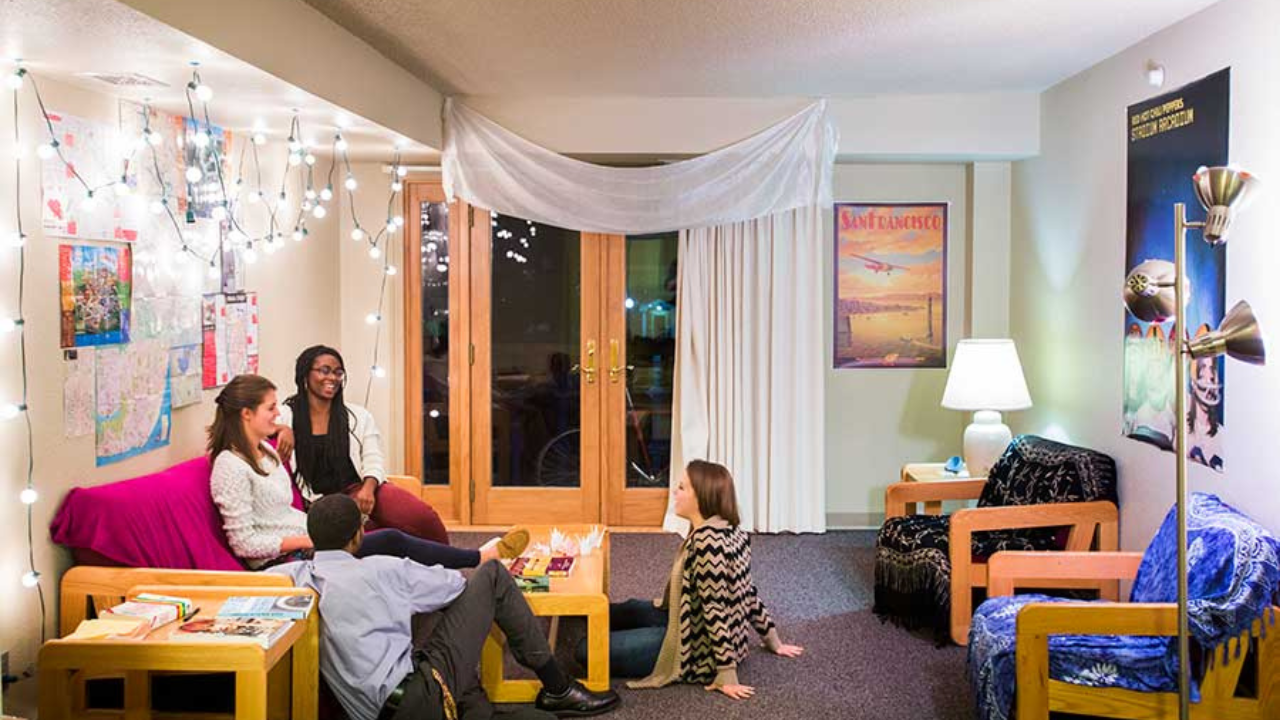
What’s It Like Sharing a College Room? A Comprehensive Look at Dorm Life
-
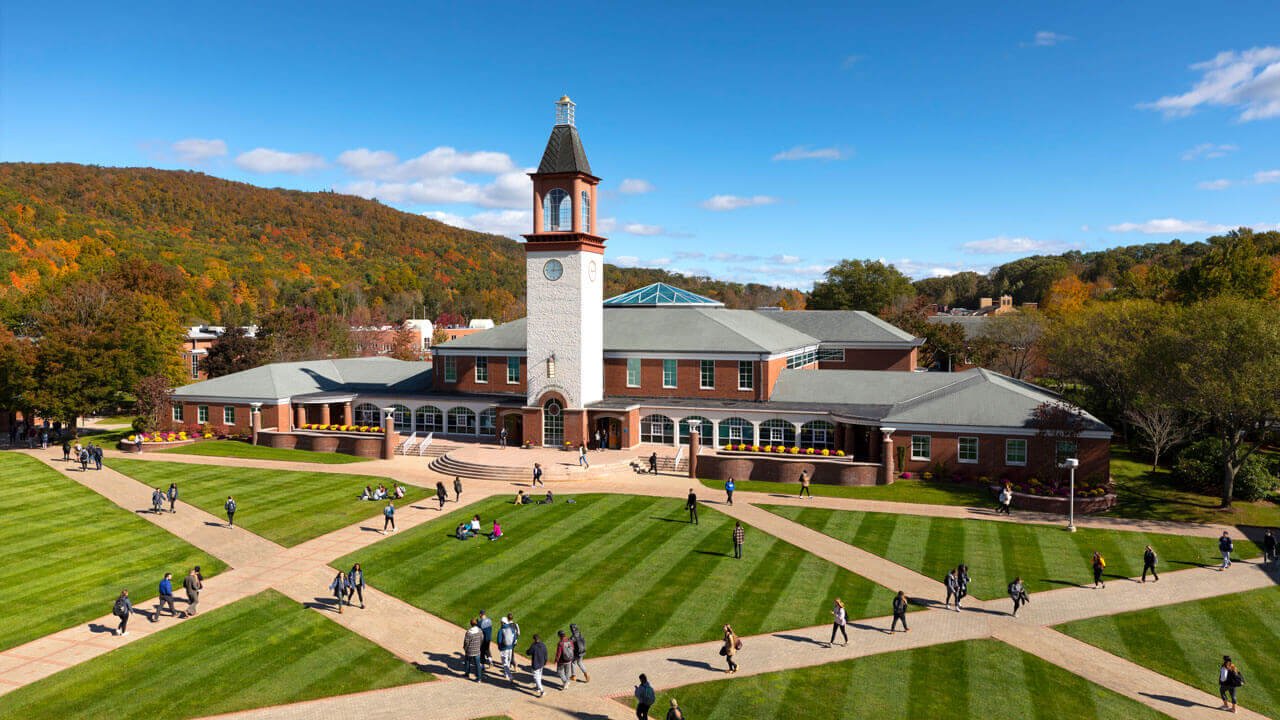
The Living in College Experience: A Comprehensive Exploration of Student Life
-

Sport and Exercise Science Student Demi Takes You on a Tour of Collingwood College
-

The Winter Ball at Josephine Butler College: A Celebration of Community and Tradition
-

Trying New Sports: Discovering Ultimate Frisbee in Student Life
-

Finding Your Feet in Freshers’ Week: Navigating the Gateway to Student Life
-

Making Friends at Durham University: A Cornerstone of Student Life
-

How to Use University Clubs and Societies to Build Your Skill Set
-

Top 10 Fully Funded Scholarships for International Students