The college experience is a transformative chapter in a young person’s life, blending academic pursuits with personal growth, social connections, and newfound independence. Living in college—whether on campus, off-campus, or abroad—offers a unique opportunity to navigate challenges, seize opportunities, and shape one’s future. As of March 31, 2025, the landscape of higher education continues to evolve, influenced by technology, global mobility, and economic factors. This article explores the multifaceted nature of living in college through key themes: blogging, college reviews, education technology, exam preparation, online learning, skill development, student discounts and offers, student life, and study abroad. Together, these elements paint a vivid picture of what it means to thrive during these formative years.
Blog: Documenting the Journey
Blogging has become a powerful tool for college students to chronicle their living experiences, offering a digital diary that captures both the highs and lows. Platforms like WordPress, Medium, or university-hosted blogs allow students to share stories—moving into a dorm, surviving finals week, or adjusting to life abroad. A freshman at the University of Texas might write, “My First Week in the Dorm: Chaos, Community, and Coffee,” detailing the thrill of meeting roommates and the challenge of late-night study sessions.
These blogs do more than narrate; they connect students across campuses and countries, fostering a sense of shared experience. They also serve as a reflective practice, helping students process their growth and build a portfolio for future employers. For prospective students, college blogs offer an authentic glimpse into daily life—far more personal than glossy brochures—making them an invaluable resource for understanding the living in college experience.
College Reviews: Evaluating the Environment
College reviews play a crucial role in shaping perceptions of the living experience. Platforms like Niche, Unigo, and student testimonials on university websites provide insights into dorm quality, campus culture, and support services. A review of UCLA might praise its vibrant Westwood location and modern residence halls, while noting crowded dining options during peak hours. Conversely, a smaller school like Oberlin College might earn high marks for tight-knit community but lower scores for limited nightlife.
These reviews influence where students choose to live—on-campus in residence halls, off-campus in apartments, or in themed housing like sustainability-focused co-ops. They also highlight practicalities: cost (e.g., $12,000/year for UCLA dorms), amenities (Wi-Fi, laundry), and safety (24/7 security). For students, understanding these factors ensures their living environment supports both academic success and personal well-being, making college reviews an essential tool in the decision-making process.
Education Technology: Enhancing the Living Experience
Education technology transforms how students live and learn in college. Smart dorms equipped with app-controlled lighting and thermostats—like those at MIT—offer convenience and energy efficiency. Learning management systems (LMS) such as Canvas or Blackboard integrate academic life into living spaces, allowing students to check assignments from their rooms or collaborate via Zoom with classmates miles away.
Beyond the classroom, ed-tech tools like Grammarly or Quizlet streamline studying, while virtual reality (VR) platforms simulate lab experiments for science majors unable to access physical spaces. For students living off-campus or abroad, these technologies bridge gaps, ensuring access to resources regardless of location. As of 2025, ed-tech’s role in college life underscores its power to make living more connected, efficient, and adaptable—a game-changer for modern students.
Exam Preparation: Balancing Study and Life
Living in college often revolves around the rhythm of exams, making preparation a central aspect of the experience. Students develop strategies to manage this high-stakes reality: creating study schedules, joining group sessions in dorm common rooms, or using apps like Forest to stay focused. A typical routine might involve a junior at Ohio State reviewing psychology notes in the library until midnight, fueled by coffee and determination.
Residence halls often host tutor-led reviews, while online platforms like Khan Academy supplement coursework. The pressure can strain student life—late nights affecting sleep or social plans—but it also builds resilience and time management skills. Successful exam prep integrates with living arrangements, whether it’s a quiet dorm room or a bustling off-campus flat, highlighting how the college environment shapes academic outcomes.
Online Learning: Flexibility in Living Arrangements
Online learning has redefined the college living experience, offering flexibility that complements diverse lifestyles. Students at institutions like Arizona State University (ASU) Online can live anywhere—home with family, a city apartment, or even abroad—while earning degrees. A commuter student might log into a Sociology 101 lecture from their bedroom, while another takes Calculus from a café in Paris during a gap year.
This mode blends seamlessly with living in college, reducing the need for on-campus housing and allowing cost savings (ASU’s online tuition averages $15,000/year versus $28,000 in-person). Tools like recorded lectures and discussion boards accommodate varied schedules, though they demand self-discipline. Online learning expands access, making the college experience more inclusive and adaptable—a trend accelerating into 2025.
Skill Development: Beyond the Classroom
Living in college is a crucible for skill development, extending far beyond academic credits. Residence life teaches practical skills: budgeting grocery money, cooking in a shared kitchen, or negotiating roommate disputes. A student at Michigan State might learn conflict resolution after a late-night noise complaint, while another hones leadership by organizing a dorm charity drive.
Academic programs enhance these skills with workshops—public speaking at NYU’s career center or coding bootcamps at Georgia Tech. Off-campus living adds layers, like managing leases or navigating public transit. These experiences cultivate soft skills (communication, adaptability) and technical proficiencies (data analysis, project management), preparing students for careers and adulthood. The college living environment, with its mix of structure and freedom, is a natural incubator for this growth.
Student Discounts & Offers: Maximizing Resources
Financial savvy is part of living in college, and student discounts and offers play a big role. Services like UNiDAYS and Student Beans unlock deals—10% off at Target, free Amazon Prime for six months, or discounted Adobe Creative Cloud ($19.99/month vs. $52.99). A Boston University student might snag a cheap MBTA pass, while another scores half-price museum tickets for a weekend outing.
On-campus, dining plans (e.g., $2,000/semester at UC Berkeley) and free gym access stretch budgets. Off-campus residents hunt for housing specials or utility bundles. These perks ease the financial strain of tuition (averaging $37,000/year at private colleges) and living costs, enhancing student life by making entertainment, travel, and tech more accessible—a practical lifeline in 2025’s economy.
Student Life: The Heart of the Experience
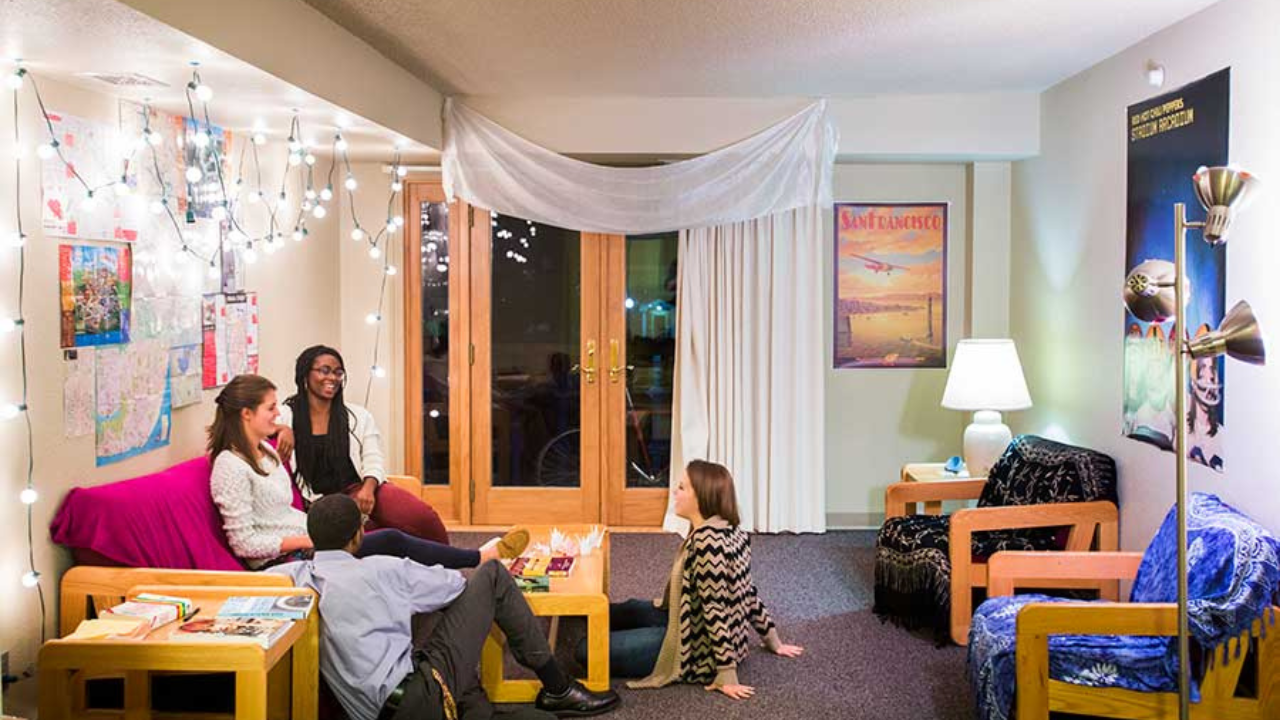
Student life defines the essence of living in college, weaving together academics, social bonds, and personal exploration. On-campus, dorms buzz with activity—movie nights in lounges, impromptu study groups, or hall council meetings. A freshman at Florida State might join a sorority, finding sisterhood amid the chaos of move-in day, while a senior at Penn State leads a sustainability club, hosting campus clean-ups.
Off-campus life offers independence—cooking dinners with roommates or hosting game nights—though it trades some community for solitude. Extracurriculars like sports, theater, or volunteering enrich daily routines, while mental health resources (counseling at 90% of U.S. colleges) support well-being. Student life is a tapestry of connection and self-discovery, shaped by where and how one lives during these years.
Study Abroad: Expanding Horizons
Study abroad elevates the college living experience, offering a global perspective that reshapes students’ worldviews. Programs like Semester at Sea or exchanges through the University of California system let students live in cities like Barcelona or Tokyo. A junior at UNC Chapel Hill might spend a semester in London, navigating the Tube and studying British literature, while another lives with a host family in Costa Rica, mastering Spanish.
Living abroad—whether in dorms, apartments, or homestays—teaches adaptability, cultural fluency, and independence. Costs vary ($10,000-$20,000/semester), but scholarships (e.g., Gilman, up to $5,000) and university aid make it feasible. In 2025, hybrid models blend study abroad with online coursework, broadening access. This experience enriches student life, builds skills like cross-cultural communication, and creates memories that linger long after college ends.
A Day in the Life: Tying It All Together
Imagine a day for Mia, a sophomore at the University of Oregon. She wakes at 7:30 AM in her dorm, checks her blog stats (a post on dorm hacks got 200 views), and reviews Biology 101 notes on Quizlet—an ed-tech staple. At 9:00 AM, she attends an online lecture via Zoom, grateful for the flexibility as she considers studying abroad in Australia next year. Mid-morning, she meets her study group in the library, prepping for a midterm with flashcards and a discounted coffee from Starbucks (student ID perk).
Lunch in the dining hall—part of her $1,800/semester plan—fuels an afternoon workshop on resume-building, a skill development session hosted by the career center. At 4:00 PM, Mia edits a video project in her room, using free Adobe software from a student offer. Evening brings a dorm movie night, a slice of student life that balances her busy day. Before bed, she researches Florence for a study abroad application, dreaming of gelato and Renaissance art.
Conclusion: A Transformative Tapestry
Living in college is a rich, multifaceted experience that blends academic rigor with personal evolution. Through blogging, students document their journeys; college reviews guide their choices; education technology enhances their learning; exam preparation builds resilience; online learning offers flexibility; skill development prepares them for life; student discounts stretch their budgets; student life fosters community; and study abroad expands their horizons. As of March 31, 2025, this experience remains a cornerstone of higher education, shaping students into adaptable, skilled, and connected individuals ready to face the world.