
For students stepping into the historic city of Durham, England, the prospect of university life at Durham University brings a blend of excitement and uncertainty. Nestled amid cobbled streets and framed by the iconic Durham Cathedral and Castle—a UNESCO World Heritage Site—Durham offers a setting that is as inspiring as it is intimate. Yet, beyond its academic prestige and picturesque backdrop, it is the opportunity to forge meaningful friendships that defines the student experience here. At Durham, making friends is not merely a byproduct of student life; it is a deliberate and enriching process woven into the university’s unique collegiate system, vibrant societies, academic environments, and the close-knit community of the city itself. This article explores how Durham University facilitates friendship-building, the diverse avenues available to students, and the broader implications of these connections, while reflecting on the challenges and rewards of this journey as of March 27, 2025.
The Collegiate System: A Foundation for Friendship
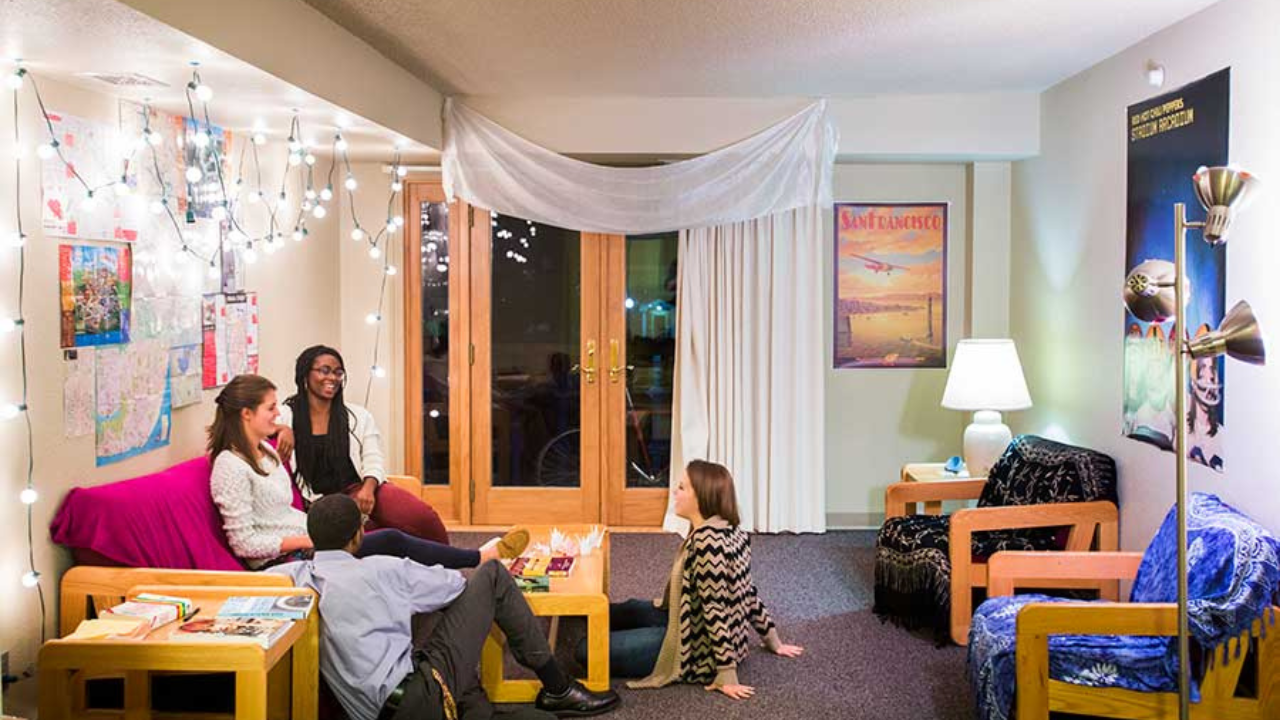
At the heart of Durham University’s student life lies its distinctive collegiate system, a structure that sets it apart from many other UK institutions. With 17 colleges—ranging from the historic University College in Durham Castle to modern communities like Josephine Butler—every student becomes a member of a college upon enrollment. These colleges are more than just residences; they are vibrant microcosms where students live, dine, and socialize, creating an immediate sense of belonging. For first-year undergraduates, who are guaranteed accommodation if they meet application criteria, this system provides a built-in community from day one.
The college experience is a natural starting point for making friends. Living in close quarters fosters organic interactions—whether it’s sharing a meal in the dining hall, knocking on doors for a spontaneous movie night, or organizing trips into Durham’s quaint city center. The Junior Common Rooms (JCRs), student-led bodies within each college, amplify this by hosting events like fresher’s week activities, formals, pub quizzes, and college days. These gatherings offer structured yet relaxed opportunities to connect with peers who share the same living space. For instance, a student at Trevelyan College might bond over a college sports match, while someone at St Aidan’s could find a friend through a shared love of music at a college concert.
This collegiate intimacy is a double-edged sword. For extroverts, the constant proximity and social events are a playground for forming quick connections. Introverts, however, might find the intensity overwhelming at first, though the smaller scale of college life—compared to sprawling urban campuses—can ease the transition. The colleges also provide welfare teams and peer support, ensuring that even the shyest students have resources to navigate social integration, making Durham’s system a nurturing ground for friendships across personality types.
Societies and Sports: Building Bonds Through Shared Interests
Beyond the colleges, Durham’s student life thrives on its extensive network of over 250 student-led clubs and societies, offering a kaleidoscope of opportunities to meet like-minded individuals. From the Durham University Gospel Choir to the Pole Dancing Society, the Finance Society to the Curry Club, there’s a niche for every interest. Joining a society is a deliberate act of stepping into a community united by passion, making it one of the most effective ways to forge lasting friendships.
Sports, in particular, play a significant role at Durham, with both college-level and university-wide teams fostering camaraderie. The university boasts 18 sports and over 650 college teams, ranging from football and rowing to lacrosse and trampolining. For a student new to rowing at Grey College, the early morning practices and team spirit can quickly turn strangers into teammates and friends. Similarly, university-level clubs like Durham University DanceSport or the Trampolining and Gymnastics Club draw students from across colleges, broadening social circles beyond one’s immediate living community.
The accessibility of these activities is a key strength. College societies often welcome beginners, lowering the barrier to entry for those hesitant to try something new. A first-year student might join a college baking society, discovering a knack for scones and a group of friends in the process. Meanwhile, university-wide societies offer a chance to connect with students from different academic disciplines and colleges, enriching the diversity of friendships. This dual structure—college and university engagement—ensures that students can find their tribe, whether they prefer the familiarity of their college or the broader reach of Team Durham.
However, participation requires initiative. The sheer volume of options can be daunting, and students must balance academics with extracurriculars. For international students or those from quieter backgrounds, the leap into a bustling society might feel intimidating, yet the rewards—shared experiences, mutual interests, and a sense of purpose—often outweigh the initial discomfort.
Academic Connections: Friendships in the Classroom
While colleges and societies provide social scaffolding, Durham’s academic environment offers another vital avenue for making friends. With courses spanning sciences, humanities, and social sciences, students encounter peers who share their intellectual curiosity. Lectures, seminars, and tutorials become spaces where friendships blossom, often unexpectedly. A first-year Modern Languages student might bond with classmates over coffee after a Spanish lesson, while a Geography student could find a friend while lost on the way to a lecture hall.
The size and style of academic sessions influence these connections. Smaller, seminar-style classes—like those in Modern Languages and Cultures—encourage interaction, forcing even the most reserved students to engage. Larger lectures, common in subjects like Politics, Philosophy, and Economics (PPE), may require more effort to connect, though pre-class meetups via Durham Freshers’ Facebook groups can bridge the gap. Field trips, a staple of disciplines like Geography or Anthropology, further deepen bonds, as students share the adventure of exploring new landscapes together.
These academic friendships often extend beyond the classroom, evolving into study groups or café outings. They provide a dual benefit: emotional support and intellectual growth. Yet, they’re not without challenges. Competitive courses might foster rivalry, and differing schedules can limit contact. Still, the shared pursuit of knowledge at Durham creates a common ground that transcends these hurdles, making it a subtle but powerful friendship catalyst.
The Durham Bubble: A City That Fosters Connection
Durham’s compact size—population just 43,000—amplifies its role in student life. Known as the “Durham Bubble,” the city’s walkable layout and student-heavy atmosphere make it a social crucible. From the cobbled streets around the cathedral to the River Wear’s scenic paths, every corner invites interaction. Students gather at spots like Observatory Hill to watch sunrises after college balls or explore cafés like Cafédral for a quick chat. Even the infamous Klute nightclub, dubbed “Europe’s worst” yet a beloved student haunt, becomes a rite of passage where friendships are cemented over cheap drinks and cheesy music.
This intimacy contrasts with larger cities like Newcastle, just 15 minutes away by train. While some students venture there for shopping or clubbing, many find Durham’s quirks—like college bar crawls or the Lumiere Festival—endearing enough to stay local. The bubble fosters a sense of ownership; it’s “our” city, with “our” traditions, enhancing the collective identity that binds students together.
Yet, the bubble has its limits. Its smallness can feel insular, and students craving urban diversity might feel confined. For those who embrace it, however, Durham’s charm lies in its ability to turn casual encounters—whether at a market or a college formal—into enduring friendships.
Challenges and Reflections: Navigating the Social Landscape
Making friends at Durham is not without its hurdles. The transition to university life is inherently daunting, regardless of personality. Introverts might struggle with the collegiate system’s social intensity, while extroverts could overestimate their ease in connecting deeply. International students, comprising a significant portion of Durham’s 20,000-strong student body, face additional layers—cultural adjustments, language barriers, and homesickness. The pressure to “fit in” during fresher’s week can amplify anxiety, and the wealth of opportunities might overwhelm rather than inspire.
Support systems mitigate these challenges. College welfare teams, the Students’ Union, and peer mentors offer guidance, while the university’s emphasis on inclusivity—evident in societies like the 93% Club, which supports state-school students—ensures no one is left behind. Time management is another hurdle; balancing academics, societies, and socializing requires discipline, especially during formative seasons when workloads peak.
Critically, Durham’s social fabric reflects its strengths and constraints. The collegiate system excels at fostering immediate connections but may pigeonhole students into college-centric circles if they don’t venture out. Societies and sports diversify friendships but demand proactive engagement. The academic and city environments enrich bonds but rely on students’ willingness to step beyond comfort zones. Success hinges on openness—a willingness to say “yes” to new experiences, as many Durham students attest.
The Broader Impact: Friendships That Shape Lives
The friendships forged at Durham extend beyond the university years. They shape personal growth, offering support through academic stress and life transitions. Professionally, they build networks—alumni often return to colleges, sharing skills and opportunities. Emotionally, they provide a sense of home in a city that, for three or four years, becomes a world unto itself. For a student graduating in 2025, the friend met over a college dinner or a society event might one day be a collaborator, a confidant, or even a lifelong partner.
These connections also reflect Durham’s ethos: a blend of tradition and innovation, community and individuality. They prepare students for a globalized world while rooting them in a specific place and time. In a region where the North East’s coastlines and national parks beckon, these friendships often carry the spirit of exploration and resilience that defines Durham itself.
Conclusion
As of March 27, 2025, making friends at Durham University remains a cornerstone of student life, woven into the fabric of its colleges, societies, classrooms, and city streets. It’s a journey of discovery—sometimes challenging, always rewarding—that transforms strangers into companions within the evocative setting of this historic university. For new students, the advice is simple yet profound: be open, be curious, and be present. In doing so, they’ll find that Durham offers not just an education but a community—a place where friendships flourish and endure, shaping lives long after the last lecture ends.