
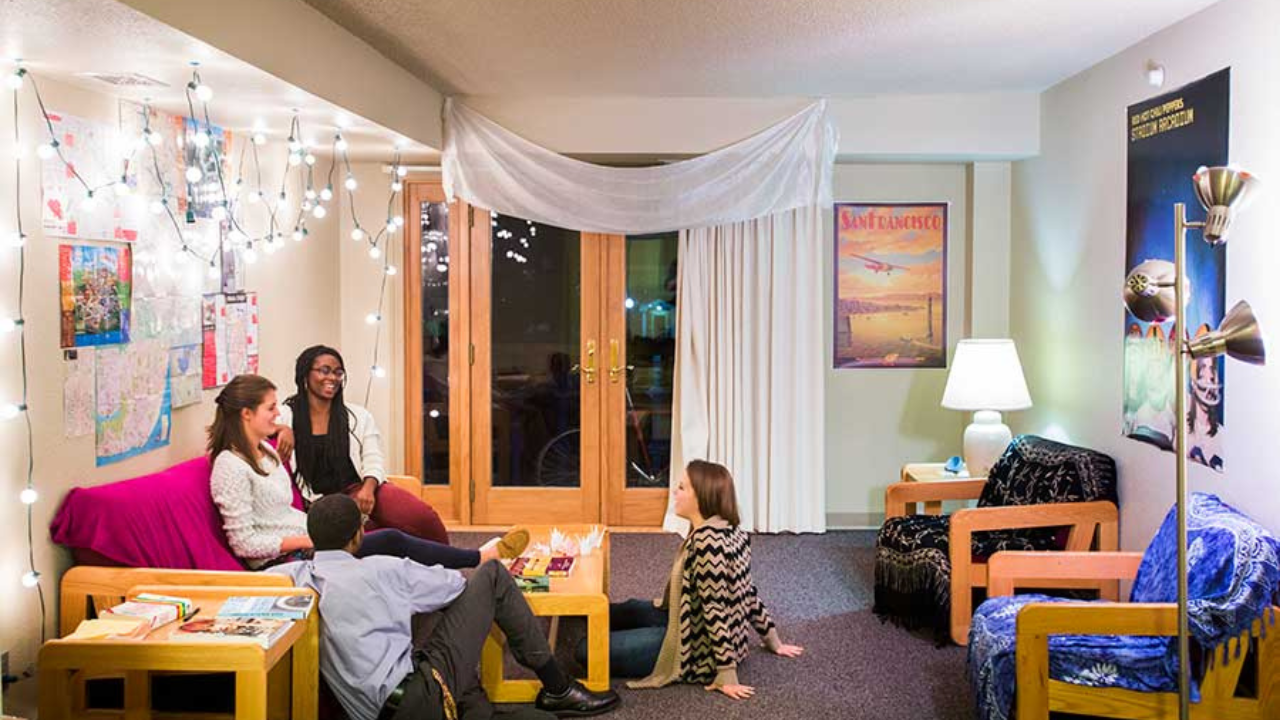
Sharing a college room is a rite of passage for many students, marking the transition from the comforts of home to the independence—and occasional chaos—of campus life. Whether it’s a cramped double at a bustling state university or a cozy suite during a study abroad program, living with a roommate shapes the college experience in profound ways. As of March 31, 2025, this shared living arrangement remains a cornerstone of higher education, blending challenges like limited space and differing schedules with rewards like lifelong friendships and personal growth. This article explores what it’s like to share a college room, weaving together insights from blogging, college reviews, education technology, exam preparation, online learning, skill development, student discounts and offers, student life, and study abroad to offer a holistic view of dorm life.
Blog: A Window into Roommate Realities
Blogging has become a popular medium for students to share their experiences of living with a college roommate, offering raw, relatable accounts that resonate with peers. A post titled “Surviving My First Roommate: Lessons from a UCLA Dorm” might recount a freshman’s adjustment to a night-owl roommate who blasts music at 2:00 AM, contrasted with moments of bonding over late-night snacks. Another blog from a University of Michigan student could detail the hilarity of dividing a 10×12-foot room with a curtain, turning spatial constraints into a creative challenge.
These blogs, hosted on platforms like WordPress or university portals, provide more than entertainment—they offer practical advice (e.g., setting ground rules) and emotional catharsis. For prospective students, they reveal the unfiltered truth about sharing a room, while for current residents, they build a sense of community. Blogging about dorm life also hones communication skills, a subtle perk that enhances the college experience beyond the walls of the room.
College Reviews: Assessing the Shared Space
College reviews are a critical resource for understanding what sharing a room entails at different institutions. Platforms like Niche or College Confidential rate dorms on factors like size, cleanliness, and roommate dynamics. A review of NYU’s Weinstein Hall might praise its central Manhattan location and modern amenities (Wi-Fi, communal kitchens) but note the tight quarters—typically 150-200 square feet for two—requiring negotiation over desk space. Meanwhile, a smaller school like Bowdoin College might earn accolades for spacious doubles and quiet study nooks, ideal for harmonious cohabitation.
These reviews influence roommate experiences by highlighting practicalities: cost ($8,000-$15,000/year depending on the school), noise levels, and bathroom access (shared vs. suite-style). Students often mention roommate matching processes—questionnaires on sleep habits or cleanliness—that aim to pair compatible individuals. Reviews reveal that sharing a room can be a mixed bag, with success hinging on both the physical space and the institution’s support systems, making them essential for informed decisions.
Education Technology: Bridging the Divide
Education technology transforms how roommates navigate shared living while pursuing academics. Smart dorm features—like app-controlled lights at MIT or noise-canceling headphones synced to study playlists—help manage conflicts over ambiance. Learning management systems (LMS) like Canvas allow roommates to access lectures from their beds, reducing friction over desk time. A student at UC Berkeley might stream a Psychology 101 lecture while their roommate uses the room’s sole table for a group Zoom call.
Tech also fosters collaboration. Shared Google Docs for chore schedules or apps like Splitwise for dividing snack costs streamline logistics. For online learners splitting a room, tools like recorded lectures and virtual whiteboards ensure both can study without clashing schedules. As of 2025, ed-tech mitigates the challenges of cramped quarters, making shared living more manageable and productive.
Exam Preparation: Studying Side by Side
Sharing a college room during exam season tests patience and coordination. Roommates must balance individual study needs—say, a biology major cramming for a midterm while their history major counterpart preps a thesis. A typical scene might involve a student at Penn State using noise-canceling earbuds and Quizlet flashcards at 1:00 AM, while their roommate sleeps with an eye mask, a compromise honed over weeks of negotiation.
Dorm common areas often become exam prep hubs, but the room remains a primary study space. Strategies like alternating “quiet hours” or using white noise machines help maintain peace. Online resources—Khan Academy for math, Crash Course for humanities—supplement late-night cramming, accessible from laptops or phones. Exam prep in a shared room builds resilience and communication skills, turning potential conflict into a lesson in coexistence.
Online Learning: Adapting to Shared Spaces
Online learning adds a layer of complexity to sharing a college room, especially for hybrid or fully remote students. A roommate at Arizona State University Online might attend a live Sociology lecture via Zoom while their in-person counterpart heads to campus, leaving the room quiet. Alternatively, both might be online, juggling bandwidth and desk space—perhaps one uses a foldable lap desk from Amazon (snagged with a student discount) to carve out a corner.
The flexibility of asynchronous courses—watch lectures anytime—eases scheduling woes, though it demands discipline to avoid disturbing a sleeping roommate. Tools like virtual study rooms or recorded sessions ensure learning continues despite spatial constraints. Sharing a room with an online learner highlights adaptability, a skill as valuable as any degree, reflecting the evolving nature of college life in 2025.
Skill Development: Lessons Beyond Textbooks
Living with a roommate is a crash course in skill development, teaching practical and interpersonal abilities that textbooks can’t. Negotiating chore rotations—vacuuming every Sunday or splitting fridge cleaning—builds responsibility. A student at Florida State might learn budgeting by pooling funds for a mini fridge ($150, split with a Target student discount), while another at Ohio State masters conflict resolution after a spat over borrowed headphones.
These experiences cultivate soft skills: empathy from understanding a roommate’s stress, communication from setting boundaries, and time management from juggling study and social time. Technical skills emerge too—setting up Wi-Fi routers or troubleshooting a shared printer. Sharing a room turns daily life into a training ground, preparing students for teamwork and leadership in their future careers.
Student Discounts & Offers: Easing the Load
Student discounts and offers make sharing a college room more affordable and enjoyable. Services like UNiDAYS provide 15% off at Walmart for dorm essentials—bedding, storage bins—while Amazon Prime Student (free for six months) delivers noise-canceling headphones or desk lamps fast and cheap. A pair of roommates at UC Davis might split a Spotify Duo plan ($12.99/month vs. $9.99 solo), curating study playlists that respect each other’s tastes.
On-campus perks—like free laundry at some dorms or discounted meal plans ($2,000/semester)—reduce financial strain, while off-campus deals (e.g., 10% off at local cafés) enhance roommate bonding. In 2025, these savings—averaging $500-$1,000/year per student—turn a tight budget into a manageable one, making shared living more sustainable and fun.
Student Life: Bonds and Boundaries
Student life in a shared college room is a microcosm of connection and compromise. Mornings might start with a groggy “good luck” before a big test, while evenings bring impromptu dance parties or debates over pizza toppings. A freshman at Michigan State might bond with their roommate over a shared love of Marvel movies, streaming on a laptop propped on a milk crate, while a senior at NYU negotiates quiet hours during a job hunt.
Dorm events—trivia nights, RA-led workshops—spill into room dynamics, strengthening ties or exposing differences. Conflicts arise—snoring, messiness—but so do solutions: earplugs, chore charts. Sharing a room fosters friendships (60% of students report close roommate bonds, per a 2023 Campus Labs survey) and teaches tolerance, shaping a student life that’s as much about relationships as academics.
Study Abroad: Sharing Across Borders
Sharing a room during study abroad adds a global twist to the college experience. A student at UNC Chapel Hill studying in Florence might share a pensione with an Italian roommate, navigating language barriers over pasta dinners. Another at UC San Diego’s Tokyo program splits a tiny apartment, learning to fold futons and respect cultural norms like removing shoes indoors.
Space is often tighter abroad—think 100 square feet in Paris vs. 200 at home—but the payoff is immense: cross-cultural friendships, language skills, and adaptability. Costs ($10,000-$15,000/semester) are offset by scholarships (e.g., Benjamin A. Gilman, up to $5,000), and ed-tech like Duolingo aids communication. Sharing a room abroad blends student life with global exploration, enriching the college narrative with international flavor.
A Day in the Life: Living It Out
Picture Alex, a sophomore at the University of Wisconsin, sharing a double in Sellery Hall. He wakes at 8:00 AM to his roommate’s alarm, grabs coffee (student discount at Starbucks), and blogs about last night’s study session—“Roommate Survival Tip: Earbuds Are Gold.” At 9:30 AM, he streams an online Economics lecture while his roommate, Mia, heads to campus, freeing the desk. Midday, they prep for a history exam, splitting Quizlet duties in their room’s cramped but cozy space.
Afternoon brings a skill-building moment—Alex fixes their Wi-Fi after a glitch, earning Mia’s gratitude. At 5:00 PM, they use a UNiDAYS deal to order discounted Domino’s, fueling a movie night that cements their bond. Later, Alex researches a study abroad program in Berlin, imagining sharing a flat overseas. Bedtime at 11:00 PM finds them chatting about life—proof that sharing a room is as much about connection as compromise.
Conclusion: A Shared Adventure
Sharing a college room is a dynamic, multifaceted experience that shapes students in lasting ways. Blogs capture its essence, college reviews guide its logistics, education technology eases its demands, exam preparation tests its harmony, online learning adapts its rhythm, skill development enriches its lessons, student discounts lighten its load, student life defines its spirit, and study abroad expands its scope. As of March 31, 2025, this shared living arrangement remains a cornerstone of college, blending challenge and reward into a transformative adventure.