
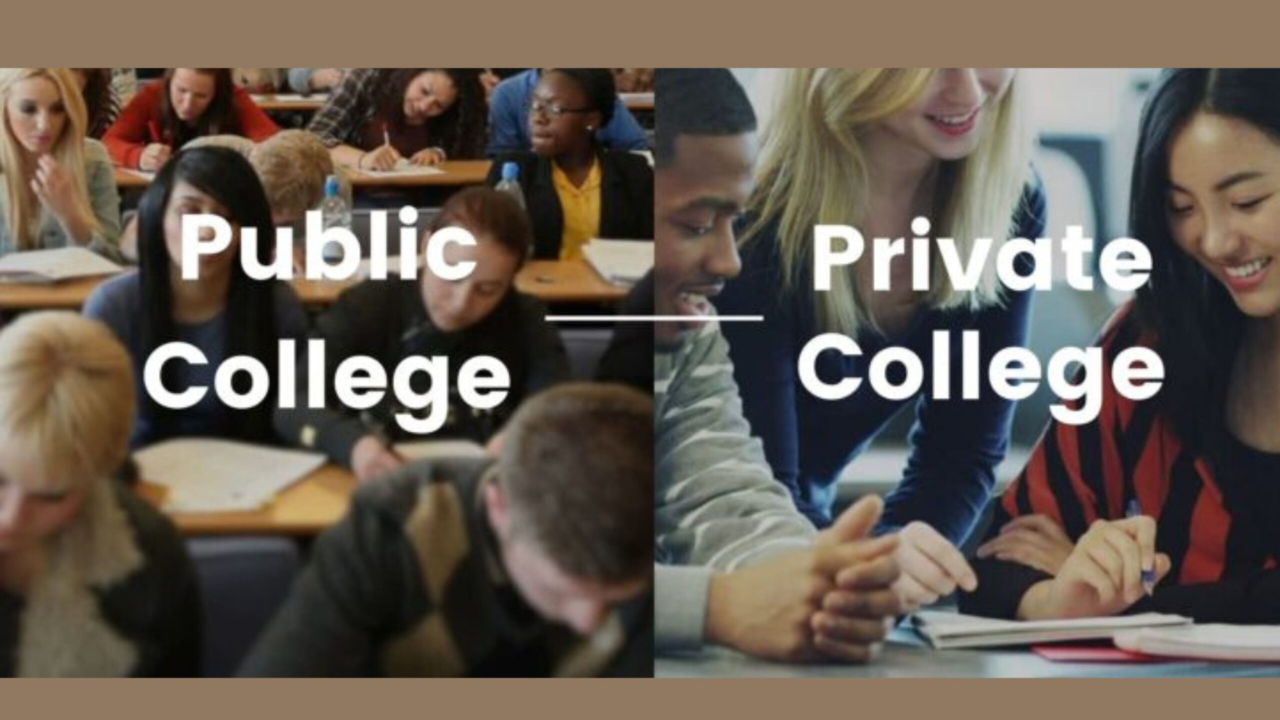
Choosing between a public and private university is one of the most significant decisions you’ll make in your academic journey. Both types of institutions offer unique advantages and challenges, and the right choice depends on your personal goals, financial situation, and preferences. In this comprehensive guide, we’ll explore the pros and cons of attending a public versus a private university, helping you make an informed decision. Whether you’re a high school student, a parent, or a working professional considering further education, this article will provide valuable insights to guide your choice.
Understanding Public and Private Universities
Before diving into the pros and cons, it’s important to understand the fundamental differences between public and private universities.
Public Universities:
- Funded primarily by state governments.
- Offer lower tuition fees for in-state students.
- Tend to have larger student populations and class sizes.
- Often have a wide range of programs and resources.
Private Universities:
- Funded through tuition fees, donations, and endowments.
- Generally more expensive but offer generous financial aid.
- Tend to have smaller student populations and class sizes.
- Often emphasize specialized programs and personalized attention.
2. Pros of Attending a Public University
1. Affordability
One of the biggest advantages of public universities is their affordability, especially for in-state students. Tuition fees are significantly lower compared to private institutions, making higher education accessible to a broader population.
2. Wide Range of Programs
Public universities often offer a diverse array of programs and majors, from liberal arts to engineering and beyond. This allows students to explore different fields before committing to a specific career path.
3. Research Opportunities
Many public universities are research powerhouses, with state-of-the-art facilities and funding for groundbreaking projects. Students have the opportunity to work alongside renowned faculty on cutting-edge research.
4. Large Alumni Networks
Public universities typically have large alumni networks, which can be beneficial for networking and job opportunities after graduation.
5. Vibrant Campus Life
With larger student populations, public universities often have a vibrant campus life, including a wide range of clubs, sports teams, and social events.
3. Cons of Attending a Public University
1. Larger Class Sizes
Public universities often have larger class sizes, which can make it harder to get personalized attention from professors. This can be a challenge for students who thrive in smaller, interactive settings.
2. Bureaucracy
The sheer size of public universities can lead to bureaucratic hurdles, from registering for classes to accessing support services.
3. Limited Financial Aid for Out-of-State Students
While in-state tuition is affordable, out-of-state students often face significantly higher costs with limited financial aid options.
4. Competition for Resources
With a large student population, resources like housing, counseling, and career services may be stretched thin, leading to longer wait times and limited availability.
4. Pros of Attending a Private University
1. Smaller Class Sizes
Private universities often boast smaller class sizes, allowing for more personalized attention from professors and a more intimate learning environment.
2. Generous Financial Aid
While private universities are generally more expensive, they often offer substantial financial aid packages, including scholarships, grants, and work-study opportunities.
3. Specialized Programs
Private institutions often focus on specialized programs and may offer unique majors or interdisciplinary studies that aren’t available at public universities.
4. Strong Alumni Networks
Private universities often have tight-knit alumni networks that can be invaluable for mentorship, internships, and job placements.
5. Focus on Undergraduate Education
Many private universities prioritize undergraduate education, offering more resources and support for students at this level.
5. Cons of Attending a Private University
1. Higher Tuition Costs
The most significant drawback of private universities is their cost. Tuition fees are generally much higher than those at public institutions, even after financial aid.
2. Limited Program Diversity
While private universities may excel in certain areas, they often have fewer program options compared to larger public universities.
3. Pressure to Succeed
The competitive environment at some private universities can be intense, leading to stress and burnout for some students.
4. Less Diversity
Private universities may have less socioeconomic and cultural diversity compared to public institutions, which can limit exposure to different perspectives.
6. Key Factors to Consider When Choosing
When deciding between a public and private university, consider the following factors:
1. Cost and Financial Aid
- Can you afford the tuition fees?
- What financial aid options are available?
2. Academic Programs
- Does the university offer your desired major or specialization?
- Are there opportunities for interdisciplinary studies?
3. Campus Culture
- Do you prefer a large, diverse campus or a smaller, close-knit community?
- What extracurricular activities and support services are available?
4. Career Goals
- What are the job placement rates for graduates?
- Are there strong alumni networks and career services?
5. Location
- Do you prefer an urban, suburban, or rural setting?
- What is the cost of living in the area?
7. Case Studies: Public vs. Private Universities
To illustrate the differences, let’s look at two examples:
Public University: University of California, Berkeley
- Pros: Affordable for in-state students, top-ranked programs, extensive research opportunities, vibrant campus life.
- Cons: Large class sizes, competitive admissions, high out-of-state tuition.
Private University: Harvard University
- Pros: Small class sizes, generous financial aid, prestigious reputation, strong alumni network.
- Cons: High tuition costs, intense academic pressure, limited program diversity.
8. Tips for Making the Right Choice
1. Visit Campuses
If possible, visit the campuses to get a feel for the environment and culture.
2. Talk to Current Students
Reach out to current students or alumni to hear about their experiences.
3. Compare Financial Aid Packages
Look beyond the sticker price and compare the net cost after financial aid.
4. Consider Long-Term Goals
Think about how each option aligns with your academic and career aspirations.
5. Trust Your Instincts
Ultimately, choose the university that feels like the best fit for you.
Conclusion: Weighing Your Options
Choosing between a public and private university is a deeply personal decision that requires careful consideration of your goals, finances, and preferences. Both types of institutions offer unique advantages, and the right choice depends on what matters most to you.
Public universities provide affordability, diverse programs, and vibrant campus life, while private universities offer personalized attention, specialized programs, and strong alumni networks. By weighing the pros and cons and considering your individual circumstances, you can make an informed decision that sets you on the path to success.
Remember, the best university is one that aligns with your values, supports your growth, and helps you achieve your dreams. Take your time, do your research, and trust the process. Your future is worth it.
-
15 Must-Read Books Written by Binghamton University Faculty
-

What’s It Like Sharing a College Room? A Comprehensive Look at Dorm Life
-

The Living in College Experience: A Comprehensive Exploration of Student Life
-

Sport and Exercise Science Student Demi Takes You on a Tour of Collingwood College
-

The Winter Ball at Josephine Butler College: A Celebration of Community and Tradition
-

Trying New Sports: Discovering Ultimate Frisbee in Student Life
-

Finding Your Feet in Freshers’ Week: Navigating the Gateway to Student Life
-

Making Friends at Durham University: A Cornerstone of Student Life
-

How to Use University Clubs and Societies to Build Your Skill Set
-

Top 10 Fully Funded Scholarships for International Students